Image

Archive for Farm News & Updates – Page 15

CSA News: Week 5- June 15 to June 21

Posted by sio@dmin on
 June 15, 2010

This Week’s Share

  • Arugula
  • Broccoli
  • Carrots
  • Dill
  • Lettuce
  • Garlic Scapes
  • Napa (Chinese) Cabbage
  • Turnips, Hakurei

Share Notes:

  • Broccoli: Broccoli is bountiful this week. If you find yourself with more than you can use this week try freezing some. For best freezing results cut into equal sized pieces, blanch in hot water for 1-2 minutes or until broccoli develops a bright green color. Cool under running water and put it in a plastic freezer bag.
  • Garlic Scapes: In the life cycle of garlic its attempt at flowering and producing seed creates what we know and enjoy as the “scape”. This long green scallion like shoot has a relatively short season, so enjoy them now  while they last. The entire scape is edible and delicious, from tip to stalk. They are great added fresh to salads, and can also be used as you would garlic cloves in almost any cooked dish.
  • Napa (Chinese) Cabbage: This Chinese type cabbage is exceptionally light, aromatic and sweet in flavor. The creamy white blanched interior is great cooked or raw.
  • Turnips, Hakurei: It’s the year of the turnip! This week we planned radishes for your share, but due to the persistent and heavy spring rains the radishes developed splits in the field. While the radishes struggle the Hakurei turnips have been thriving, and they are taking their place of radishes this week. Of course there are more turnip recipe ideas in the blog for those of you wondering what to do with all those turnips.

Recipes

Broccoli Recipe

Ginger Broccoli (and Napa Cabbage)
Adapted from Eating Well in Season by Jesse Price

Note: Originally this recipe calls for just broccoli, but Napa (Chinese) cabbage is also wonderful prepared this way. Try adding some sliced up Napa cabbage in with the broccoli, or you can use substitute a head of Napa cabbage for the broccoli to try it on its own.

1 tablespoon canola oil
2 tablespoons minced garlic scapes
4 teaspoons minced fresh ginger
6 cups broccoli crowns, trimmed and chopped (about 1 pound broccoli)
½ to 1 head Napa (Chinese) cabbage, cut into ½ strips
3 tablespoons water
1 tablespoon fish sauce (can substitute tamari soy sauce)
1 tablespoon rice vinegar

Heat oil in a large skillet over medium-high heat. Add garlic and ginger and cook until fragrant but not browned, 30 seconds to a minute. Add broccoli and cook, stirring, until the broccoli is bright green, 2 minutes. Add in Napa cabbage and drizzle water and fish sauce over the broccoli and cabbage; reduce heat to medium, cover and cook until the broccoli is just tender, about 3 minutes. Stir in vinegar just before serving. Makes 4 servings, about 1 cup each.

Dill Recipes

Dill Cheese Spread
From the Moosewood Restaurant Kitchen Garden by Molly Katzen

1½ cups grated firm cheese (Cheddar, Monterey Jack, Swiss, Jarlsberg, gouda)
2/3 cup cream cheese or cottage cheese (regular or low-fat)
¼ cup or less chopped fresh dill (can also use this same recipe with other herbs)
2 to 3 tablespoons additional seasonings: chopped vegetables, chilies, nuts, garlic, or edible flowers)

Allow the grated cheese to soften at room temperature for easier mixing. Use a food processor or mixer to whip the cheeses together until smooth and well blended. Add the remaining ingredients. Makes about 2½ cups.

Creamy Dill Dressing
From Asparagus to Zucchini: A Guide to Farm Fresh Produce by the Madison Area CSA Coalition

Note: This dressing is great with a quick green salad; you could use any combination of all the items in your share this week with lettuce, arugula, and/or Napa cabbage as the greens.

1 cup real mayonnaise
8 ounces sour cream
¼ cup milk
1½ tablespoons olive oil
1 tablespoon fresh dill
1 tablespoon wine vinegar
2 teaspoons paprika
¼ teaspoon white pepper
1/8 teaspoon garlic powder
1/8 teaspoon salt

Combine mayonnaise and sour cream; gradually stir in milk, mixing well. Stir in remaining ingredients. Cover and chill several hours. Serve with salad greens. Makes 2 cups dressing.

Napa (Chinese) Cabbage Recipe

Shredded Salad of Many Greens
Adapted from Local Flavors by Deborah Madison

3 cups finely shredded napa cabbage
3 cups finely shredded romaine, red leaf or butter lettuce
2 cup slivered arugula
½ cup slivered parsley (or half as much lovage)
1 shallot, finely sliced
2 teaspoons fresh lemon juice, plus 1 teaspoon grated zest and sea salt
4 to 5 tablespoons extra virgin olive oil

Wash and dry all the green, then toss them together in a bowl. Mix the shallot and lemon juice and zest with ¼ teaspoon salt, then whisk in oil to taste. Toss the greens with a few pinches of salt, then with the dressing. Mound onto plates and serve. Serves 4.

Ginger Broccoli (and Napa Cabbage)
(see above in Broccoli Recipes)

Turnip Recipe

Gratin of Hakurei Turnips
Recipe from Emily Thomson of Full Circle Farm in Carnation, WA http://www.fullcirclefarm.com

2 lb hakurei turnips, sliced ¼ inch thick (for larger turnips halve or quarter so all pieces are relatively the same size)
3 Tbsp unsalted butter
thin slices day-old baguette or other good white bread
salt and freshly ground pepper
1/4 cup heavy cream
1/2 cup freshly grated Parmesan cheese

In a saucepan of salted water, boil the turnip slices until tender, about 12 minutes. Preheat the oven to 325 degrees. Butter a deep gratin dish with 1 tablespoon of the butter and line it with the bread slices. Drain the turnip slices and arrange a layer of them over the bread slices. Salt lightly, grind some pepper over them, and sprinkle with some Parmesan cheese. Add a layer of bread slices, then turnips, then salt, pepper, and cheese. Repeat until all ingredients are used, ending with a layer of turnips, salt, pepper, and Parmesan. Drizzle the heavy cream over the entire dish. Break the remaining 2 tablespoons of butter into small bits and scatter over the top. Place into the oven and bake until golden, about 35 minutes.

Chef’s Corner: June

In order to offer you some additional culinary inspiration we have been picking the brains of some of the areas most talented chefs and restaurant owners. We have asked them to provide us with recipes and general cooking techniques based on the crops that you receive in your shares during the month of June. This month our featured chef is Katherine Deumling, owner of Cook with What You Have cooking school located in inner SE Portland.

Katherine in her kitchen

Katherine Deumling, Owner of Cook With What you Have

I have a small business called Cook With What You Have. I teach cooking classes primarily from my home in inner SE Portland. I help people build their skills, gain experience, learn to taste and improvise and learn how to stock their pantry and shop/source so that cooking is more of a pleasure and less of a chore. Local produce is the heart and soul of my work, rain or shine, June or January! My garden, my CSA share, and the farmers markets supply all of the produce for classes and daily meals for my family. Many more details and my summer class schedule at my website and my blog, where I post recipes weekly. And I am offering SIO members, $10 off my summer classes. Contact me at Katherine@cookwithwhatyouhave.com with any questions or for more information.

Through my work with Slow Food Portland, I have been familiar with, and a fan of, Sauvie Island Organics for many years. SIO has hosted some of the most memorable Slow Food Portland events-events in support of farmers and the critical work of advocating for and educating consumers about local farms and food.

I grew up in a creative family with a make-do-with-what-you-have mentality and we often lived far from the nearest grocery store. My mother always had a large and varied vegetable garden, and loaded shelves of home-canned goods. So I grew up cooking with what was in the kitchen, garden, and pantry most of the time. After years of cooking for my family (and now with a three-year-old underfoot) and friends, I have refined delicious, healthy, and often quick meals based on the abundance of wonderful produce and products in our regional foodshed.

I have studied food and culture in Italy and Mexico and grew up in Germany. I have also worked in restaurants. My primary experience comes from feeding groups of people on the fly in many settings with whatever is available. My cooking is mostly rooted in Italian cuisine and is influenced by German, Italian, Mexican, and Thai traditions.

RECIPES

Fava Beans with Feta and Mint

Carol Boutard of Ayers Creek Farm told me about this method of cooking fava beans which eliminates the time consuming step of peeling each individual bean. I don’t think I’ve ever gone back to the other way. This is an Iranian way of cooking favas.

2-3 pounds fava beans in their pods
¼ cup kosher salt
2 ounces feta, crumbled
10 or so fresh mint leaves
squeeze or two of lemon juice
2 tablespoons olive oil
freshly ground black pepper

Fill a six-quart pot (or slightly larger) three-quarters full of water. Add salt and bring to a boil. Put the whole fava beans, pods, stems and all in the boiling, heavily-salted water. Bring back to a boil then turn down to medium but keep the water at a lively boil. Occasionally press the fava beans down and move around a bit. Cook covered, until the pods start falling apart, between 20 and 30 minutes. Drain and fill pot of beans with cold water. This allows you to extract the beans more quickly. You can also just drain and let sit until cool. Remove beans from pods. There is no need to peel each individual bean. The skin should be tender and the beans perfectly seasoned. Toss beans with the remaining ingredients. Adjust seasoning to your liking. Enjoy as a side dish.

Fava beans cooked this way are delicious with pasta and a bit of parmesan, with boiled potatoes and parsley. The other night I added them to Israeli couscous with some mint and grated, hard cheese (Asiago Stella, I think).

Green Salad with Roasted Beets, Carrots, and Hard-boiled Egg

3 hard-boiled eggs
5 medium carrots (or however many you want to use, have, etc.), scrubbed and cut into 1 ½ inches chunks on the bias
4 smallish beats (or however many . . .. ), scrubbed and cut into small wedges (I don’t tend to peel beets if they’re fairly small)
8 cups of mixed greens (mache, arugula, butter lettuce, oak leaf, escarole, . . ..)

Vinaigrette:

1 stalk green garlic or 1 clove mature garlic, minced
1 teaspoon Dijon-style mustard
2-3 teaspoons lemon juice (to taste)
sprig or two of fresh thyme, tarragon or summer savory, finely chopped
3 tablespoons olive oil
salt & pepper

Spread carrots and beets on a rimmed baking sheet, sprinkle with salt and drizzle with olive oil and roast in a hot oven (425-450) for about 20 minutes until tender and slightly caramelized around the edges.

Meanwhile wash and dy the greens and roughly chop hard-boiled eggs. Mix all dressing ingredients well. Then toss the greens with the roasted veggies, eggs and dressing and enjoy as a light summer supper. We ate this recently with cheesy cornbread muffins. The muffins were an adaptation of a recipe from Michael Ableman’s Fields of Plenty. I added grated sharp cheddar, a pinch or two of chili flakes and a bunch of finely chopped chives.

Spinach Risotto

1 bunch spinach (thoroughly washed), roughly chopped
7 cups vegetable or chicken stock or broth (made with homemade veggie bouillon)
1 medium onion, finely chopped
3 tablespoons olive oil
2 cups arborio rice
1/2 cup dry white wine (optional)
1/2 cup freshly grated Parmesan cheese
3 Tbs butter
Freshly ground black pepper
1-2 tsp lemon juice (optional)
½ tsp lemon zest (optional)

In a saucepan bring 7 cups water with 10 tsps of homemade veggie bouillon to a boil and keep at a bare simmer (or just use a chicken or veggies stock of your choice.

In a large sauté pan cook onion in oil over medium heat, stirring, until softened. Stir in rice, stirring until each grain is coated with oil and cook for 2 minutes. Add wine (if using) and cook, over moderately high heat, stirring, until wine is absorbed. Add about 3/4 cup simmering broth and cook over moderately high heat, stirring frequently, until broth is absorbed. Continue adding broth, about 3/4 cup at a time, cooking, stirring and letting each addition be absorbed before adding the next, until about half of broth has been added. Continue adding broth in the same manner until rice is tender and creamy looking but still al dente, about 18 minutes. A few minutes before the rice is tender stir in the spinach and a cup of broth. Cook for a minute or two until spinach is wilted. Salt and pepper to taste. Add butter and parmesan and a little more broth is it looks a bit dry, mix well and remove pan from heat. Let rest for 5 minutes, covered, before serving.

Carrot Salad with Harissa, Feta and Mint
Adapted from Smittenkitchen.com

If you don’t happen to have feta and harissa on hand, I make a simpler version of this salad without those and if you have cooked chickpeas on hand, it makes for a nice hearty salad.

3/4 pound carrots, peeled, trimmed and coarsely grated
4 tablespoons olive oil
1 crushed clove of garlic
1/2 teaspoon ground caraway seeds
3/4 teaspoon ground cumin
1/2 teaspoon paprika
3/4 teaspoon harissa (for a solid kick of heat; adjust yours to taste, and to the heat level of your harissa)
1/2 teaspoon sugar
3 tablespoons lemon juice
3 tablespoons flat leaf parsley, finely chopped
2 tablespoons fresh mint, finely chopped
3 ounces feta, crumbled or chopped into bits

In a small sauté pan, cook the garlic, caraway, cumin, paprika, harissa and sugar in the oil until fragrant, about one to two minutes. Remove from heat and add the lemon juice and a pinch of salt. Pour over the carrots and mix. Add the herbs and mix. Leave to infuse for an hour if you have time, at least a 10 minutes, then add the feta before eating.

Harissa: Is a North African chile paste. There is almost nothing it doesn’t make more delicious: eggs, potatoes, stews, couscous, sandwiches and more, and there are almost as many recipes as there are people who consume it. Most boil down to hot chiles ground with garlic, cumin, coriander, caraway and olive oil, often with a smidge of sundried tomatoes. You can make your own or you can find it at Pastaworks or other local specialty stores.

Braised Chard
Adapted from Chez Panisse Vegetables by Alice Waters

Wash a large bunch of fresh chard. Separate the leaves from the stems and reserve stems for another use. Cut the leaves into 1-2 inch ribbons. Slice a large onion and begin stewing it in some olive oil in a good-sized pot or pan. When the onion has softened a bit add the chard, season with salt and pepper, cover and stew, stirring occasionally for 20-30 minutes. You can add garlic, bacon, or lemon zest but just by itself it is sweet and wonderful.

I’ve used this as a pizza topping with some feta or for a filling for a savory tart, as a pasta sauce or just a side to whatever else I made for dinner. Also wonderful with eggs.

Zwiebelkuchen

This is Southern German style tart/quiche/pizza is a mainstay in my family. Growing up in Germany we spent one year in a small village in Swabia (this was 1977 I think) that had a communal “backhaus” that was fired up with grape prunings once a week and everyone in the village would bring their tarts like this one, their breads for the week, etc. and take turns baking them in this wonderful big, ancient “baking house” – kind of like a giant wood-fired pizza oven.

This can easily be made vegetarian by omitting the bacon. You can also add herbs (parsley and/or thyme are particularly good) and change the cheese to suite your taste or what you have on hand.

Crust:

Scant 2 cups all-purpose flour (I’ve also used half whole-wheat pastry flour and half all-purpose and feel free to play around with other flour combinations)
1 teaspoon baking powder
½ tsp Kosher salt
3 tablespoons olive or vegetable oil
2 tablespoons water
½ cup sour cream or plain, whole-milk yogurt
1 egg

Topping:

2 lbs, or slightly more, sweet onions (or regular yellow, storage onions)
olive oil
3 ounces bacon, diced
4 ounces grated sharp cheddar, Emmentaler, etc.
2 eggs
½ cup sour cream or plain, whole-milk yogurt
salt and pepper to taste

Preheat the oven to 350 degrees.

For the crust, in the medium bowl beat the egg with the oil, water and sour cream (or yogurt) until just mixed. In another bowl mix the flour, salt and baking powder and stir into the wet ingredients with a fork or wooden spoon. Mix well – you may want to use your hands at this point-until it’s smooth. Place the dough in a 13 x 18 rimmed baking sheet (sheet pan) and roll it out to fit the pan. You may have to stretch it a bit with your hands to get it into the corners. It does not need to come up the sides at all.

For the filling, slice the onions in half and then into ¼ thin half rounds. Thinly coat a large sauté pan or pot with olive oil and heat it over med-high heat. Add the bacon and cook for a few minutes until the fat is partially rendered. Add the onions and a few generous pinches of salt. Cover and stir occasionally (and adjust heat if onions stick and brown) until the onions are quite soft and some of the liquid they’ve released has cooked off. This will take between 15 to 25 minutes depending on your onions. Ideally they don’t brown but no harm done if they do.

In a large bowl, beat the eggs with the sour cream (or yogurt), a few grinds of pepper. Add the grated cheese and the onion bacon mixture. Spread on the crust and bake for 35 to 45 minutes until the top is golden and the edges are starting to brown.

Eat warm or at room temperature. This is even better reheated the next day in a hot cast iron pan in a little bit of olive oil.

Categories : Blogroll, Chef's Corner, CSA Newsletter, Farm News & Updates, Recipe

CSA News: Week 4- June 8 to June 14

Posted by sio@dmin on
 June 8, 2010

This Week’s Share

  • Carrots
  • Fennel
  • Kale, Lacinato
  • Lettuce
  • Scallions (Green Onions)
  • Turnips, Hakurei

Share Notes

  • Carrots: Your beautiful, crisp, and sweet carrots were direct seeded into the fields back in late February in order to ensure an early harvest for your share this spring. Enjoy them fresh as a snack or in any of your favorite salads or cooked dishes.
  • Fennel: Fennel plants are cultivated for their bulbous and succulent base, and their feathery fronds are also edible and delicious used as an herb.
  • Kale, Lacinato: This deep blue-green kale, commonly known as Dino Kale or Italian Black Kale, is delicious in any dish that calls for kale.
  • Scallions: Scallions (a.k.a Green Onions) are back for a second season. These tasty shoots are a great addition to soups, salads, tacos, baked potatoes, or as a garnish for most dishes.
  • Turnips, Hakurei: This is the last time this spring you will see these sweet Japanese turnips. Enjoy them fresh or cooked, and look forward to seeing them in your shares again this fall.

Farm News

Excess Bag-gage

In 2008 SIO researched produce bag usage for the CSA program, and we were shocked to learn that SIO and its members used nearly 16,000 bags during that season. For the 2009 season SIO kicked-off its first campaign to try and reduce overall produce bag usage, and challenged our members to reduce our use by 25%. We are excited announce that during the 2009 season we reduced our usage by 27%. We’d first like to thank all of our members contributing to that overall reduction in bag use, it really did make a difference! Despite our overall reduction in use, as a community we still used approximately 13,000 produce bags during the 2009 season. That breaks down to 33 bags per share for the season, or 1 to 2 bags per share per pick-up. For the 2010 we again challenge our SIO members to reduce their produce bag use by 25% by bringing your own bags, using one bag for several items, and reusing produce bags when possible.

We will happily continue to provide produce and paper bags and at our bulk sites (and when needed in box shares) for the convenience of our members, but appreciate any efforts in reducing overall bag use at SIO. New this season, SIO has organic cotton canvas totes for sale for $6.00 (see in photo above). They are a great way to show your SIO pride, carry your produce in style, and reduce your overall bag use over the course of the season. If you are interested in purchasing a tote please email us or talk to Peter at your bulk pick-up site.

Recipes

Fennel Recipes

Fennel and Orange Salad
From Asparagus to Zucchini: A Guide to Farm-Fresh Seasonal Produce by the Madison Area Community Supported Agriculture Coalition

2 fennel bulbs
4 oranges
Juice of 1 lemon
2 tablespoons olive oil
Salt and pepper, to taste

Remove leafy tops of fennel bulbs. Slice trimmed bulb crosswise into thin, bite-sized slices; place in a bowl. Section oranges into a bowl, squeezing in extra juice as well. Stir in lemon juice, olive oil, salt and pepper to taste. Cover and refrigerate at least 20 minutes. Makes 4-6 servings.

Braised Fennel, Carrots & Pearl Onions
From Eating Well in Season by Jesse Price

2 fennel bulbs, stalks removed (reserve fronds for later use)
2 teaspoons butter, divided
1 teaspoon olive oil, divided
1 cup fresh pearl onions, peeled
½ teaspoon sugar
2 to 4 carrots, cut into matchsticks
½ to 1 cups chicken or vegetable broth
½ teaspoon salt
Freshly ground pepper, to taste
2 tablespoons finely chopped fennel fronds

Cut each fennel bulb into 8 wedges, but do not remove the core. Bring water to a boil in a large saucepan, add the fennel wedges and cook for 5 minutes. Remove with a slotted spoon and blot with a towel.

Heat butter and oil in a large cast-iron or nonstick skillet over medium-high heat. Reduce heat to medium; add the fennel and cook, stirring, until nicely browned on all sides, about 8 minutes. Transfer to a dish. Add the onions to the pan, sprinkle with sugar and cook, shaking the pan back and forth, until nicely browned, 4 to 6 minutes.

Return fennel to the pan along with the carrots and 1 cup broth. Season with salt and pepper and simmer, covered, until vegetables are tender, adding more broth as needed to keep the stew moist, 15 to 20 minutes. Garnish with fennel fronds. Serves 4 as a side dish.

Kale Recipe

Cannellini Beans and Wilted Greens
From Chez Panisse Vegetables by Alice Waters

2 cup dried cannellini beans
1 bay leaf (optional)
1 sprig of thyme (optional)
1 onion
1 carrot
6 cups of water or chicken stock
Salt and pepper
1 large bunch of kale (chard, spinach, or turnip greens could also be used as substitute or in addition to kale)
6 cloves garlic
5 to 6 tablespoons olive oil
1 tablespoon chopped rosemary leaves
Extra-virgin olive oil (for drizzling on top at the end)

Soak the beans overnight. Then next day drain them and put them into a heavy-bottomed pot with the bay leaf and thyme. Add the onion and carrot, peeled. Cover with water or stock and bring to a boil. Reduce to a simmer, skimming off any foam that forms on the surface. Cook the beans until very tender, from 45 minutes to 2 hours, depending on the age of the beans and how long they were soaked. Salt the beans generously once they start to soften. When fully cooked, remove from heat. While the beans are cooking, wash, trim, and chop the greens.

Finely chop the garlic cloves and gently sauté them in the olive oil with the rosemary, about 1 minute. Add the beans and about 1 cup of their cooking liquid, and simmer about 5 minutes, until some of the beans have crumbled apart. Add the greens to the beans, and stew together, uncovered, until the greens are wilted and tender. Add more of the bean liquid, if needed, to keep the vegetables moist and a little soupy. Taste for seasoning and grind in some pepper. Serve with extra-virgin olive oil drizzled over the surface. Serves 6 to 8 as a side dish. Also delicious served as a sauce with pasta.

Scallion Recipes

Scallions and Carrots
From Marquita Farm CSA in Watsonville, CA

1 bunch scallions, roots trimmed and white part cut into a 4-inch length
2 medium carrots, cut into sticks (peeled if desired)
1 tablespoon olive oil
1 tablespoon butter
¼ teaspoon sugar
2 tablespoons soy sauce

Sauté the scallions in the olive oil for 3 minutes. Add the carrots and continue cooking until vegetables begin to soften and turn golden. Add butter, soy sauce and sugar and cook 30 more seconds. Enjoy.

Shrimp a la Fein
From the Court of Two Sisters

Note: This recipe is incredibly delicious and very quick and easy (and a personal favorite of Francesca’s, SIO CSA Coordinator). It makes a great 15-minute meal when served over couscous. Recipe easily doubles to serve more people

½ pound medium raw shrimp
2 strips of bacon
4 to 5 scallions, chopped fine
juice of 1/2 lemon
salt, pepper and paprika to taste
1 tablespoon butter
Tabasco
Worcestershire Sauce

Dice bacon and sauté in a skillet until half cooked. Pour off excess fat. Lower flame. Add butter, peeled raw shrimp, scallions (chopped fine), and season and to taste with salt and pepper. When the shrimp are turning pink, add lemon juice and 2-5 dashes each of Tabasco and Worcestershire Sauce. Serve over couscous, quinoa, or pasta if desired.

Turnip Recipe

Oven-Roasted Carrots and Turnips
From Chez Panisse Vegetables by Alice Waters

4 medium carrots
6 medium turnips
¼ cup olive oil
Salt and pepper

Preheat oven to 400˚F. Prepare the carrots and turnips so they are about the same size and shape (you may leave up to a ¼-inch of their tops on if desired). Cut carrots into 1/8-inch slices on the diagonal. Halve or quarter the turnips lengthwise, and slice into 1/8-inch-thick pieces. In a large bowl, toss the carrots and turnips together with the olive oil, and season generously with salt and pepper. (Taste a raw vegetable to check seasoning.) Spread the vegetables evenly in a baking pan in a single layer, and roast, uncovered, stirring and tossing occasionally, until the vegetables are cooked through and caramelized, 20 to 45 minutes. Serve as a side dish with roasted meats or chicken, or on top of creamy polenta for a hearty vegetarian meal, sprinkled with fresh chopped herbs. Serves 4 to 6.

Categories : Blogroll, CSA Newsletter, Farm News & Updates, Recipe

CSA News: Week 2- May 25 to May 31

Posted by sio@dmin on
 May 25, 2010

This Week’s Share

  • Arugula
  • Broccoli
  • Green Garlic
  • Kale, Red Russian
  • Lettuce
  • Radishes, Cherry Belle
  • Tomato Plant, Sungold Cherry Tomato

Share Notes

Cherry Tomato Plants: This week each share will receive a cherry tomato plant.
Cherry tomatoes are wonderful snacks and great in salads. They are easy to grow and fun to pick in small quantities. However, they are very labor intensive to pick on a larger scale. For this reason we are giving you your own plant to enjoy. We concentrate on growing many different varieties of slicing, saucing and heirloom tomatoes, which you will see in your shares starting at the end of July.

Tomatoes appreciate full sun, and plenty of space to climb. Bury the plants deep so that only a little stem and the newest leaves are showing. Water them deeply. This will help to encourage a strong root system. They like a trellis to keep their leaves and fruit off the ground. Once established, tomatoes do not need to be watered more then once a week. Use about 5 gallons of water per plant. Tomatoes don’t like wet leaves so try to keep the leaves dry when you water.

If you do not have room to plant the tomato outside you can plant it in a five-gallon bucket with a drain hole. Keep it in a sunny space and remember to water frequently as container plants tend to dry out quickly.

Recipes

Arugula Recipes

Arugula-Green Garlic Pesto
Adapted from the Seacoast Eat Local Blog, http://blog.seacoasteatlocal.org

2 cups arugula, washed
3-4 stalks green garlic, roots removed
1/2 cup pine nuts (cashews, almonds, or walnuts also work)
4-6 oz. chevre, gorgonzola or other soft salty cheese
2 tablespoons parmesan cheese
2-3 tablespoons extra-virgin olive oil

Toast the pine nuts in a dry pan over medium low heat, tossing frequently until mostly golden brown. In a food processor or blender pulse the arugula and green garlic. Add pine nuts, olive oil, and cheese and process until there are no large chunks remaining. Great mixed in with pasta, on sandwiches, or in homemade salad dressings. It will keep fresh covered in the refrigerator for 7-10 days, or freeze for up to 6 months (or freeze up to a year if no cheese is added).

Arugula Salad with Mushrooms
From Recipes from Americas Small Farms by Joanne Lamb Hayes and Lori Stein

1 bunch arugula (about 8 cups loosely packed), rinsed and drained
8 ounces white mushrooms, thinly sliced (you many substitute porcini mushrooms or other specialty mushrooms, but sauté them until tender and let cool to room temperature)
6 tablespoons olive oil (extra virgin recommended)
2 tablespoons balsamic vinegar
1/2 teaspoon Dijon mustard
Salt and freshly ground pepper
1 (6 ounce) piece of Parmigiano-Reggiano cheese, at room temperature

Combine the arugula and mushrooms in a bowl. Whisk together the oil, vinegar, and mustard. Add salt and pepper to taste. Drizzle mixture over the salad and toss to coat well. Shave thin strips of the cheese with a cheese shaver or vegetable peeler. Reserve your best strips for garnish if desired, and throw the rest into the salad and toss lightly. Serve at room temperature.

Green Garlic Recipes

Green Garlic Pesto
Adapted from www.culinate.com

4 stems green garlic, roots removed
1 cup raw walnuts, or other nuts you have available
1 to 2 oz. hard, salty cheese (romano, ricotta salata, parmesan, etc.)
2/3 cup extra virgin olive oil
1/2 teaspoon salt (sea salt and kosher have best flavor)

Cut root ends of green garlic and discard. Cut into 1-inch lengths, discarding the tougher green portions on top. In a saucepan over medium heat toast walnuts by cooking for several minutes, stirring constantly until they start browning. Place nuts and green garlic into a food processor or blender and pulse/process on low until roughly chopped. Cut cheese into chunks, add to blender/processor, and process. In a steady stream while blender/processor is running, add olive oil until desired consistency is reached. Salt to taste and keep in an airtight container in the refrigerator until ready to use. Use with pasta, served over fish, spread on bread, or in whatever way pleases your pallet. If you have to much to use for one meal you can keep in a covered container in the fridge for 7-1o days, or freeze for up 6 months (will freeze up to a year with no cheese added).

Arugula Green Garlic Pesto
(see above in Arugula Recipes)

Kale Recipe

Kale Chips

Note: If you are an already seasoned kale chip lover spread the word to the newbies that it is definitely worth a try, especially if you have kale skeptic children in the house.

Kale (as much or as little as you like)
1-2 tablespoons olive oil
salt, to taste,
pepper, to taste (opitional)

Wash kale and remove center stems. Tear kale into roughly chip size pieces. Toss with olive oil and salt. Place kale ‘chips’ in a single layer on a baking sheet and put in a hot oven, 400˚-450˚F. Bake watching closely, you may have to turn a few chips to make crisp on each side…Voila, Salty Kale chip snacks!

Radish Recipe

Radish Butter for Radish Sandwiches

From Local Flavors by Deborah Madison

A good radish sandwich can be nothing more than sweet butter on bread topped with sliced radishes and sea salt. This recipes gets right to business and brings your radishes and butter to your bread all in one step.

6 radishes
4 tablespoons unsalted butter
1 teaspoon finely grated lemon zest
sea salt

Wash and trim radishes. If the leaves are tender and fresh, set a dozen or so aside, stems removed. Slice the radishes into thin rounds, then crosswise into narrow strips. Each should be tipped with color. Chop the leaves. You should have about ½ cup. Mix the butter with the lemon zest until soft, then stir in the chopped radishes, radish leaves, and a pinch of salt. Spread on slices of crusty baguette and serve.

Categories : Blogroll, CSA Newsletter, Farm News & Updates, Recipe, Uncategorized

Spring Update: April 23, 2009

Posted by sio@dmin on
 April 23, 2010

Spring-ing Forward

The days are getting longer, the nights are getting warmer, and the SIO crew is working full time seeding, planting, weeding, and preparing. This year the farm invested in a new manual transplanting tool called a Paper Pot Transplanter. So far we have used it for transplanting scallions and onions (pictured above), and hope to use it for cut lettuce and corn as the season progresses. The transplanter allows the farm to save on overall labor hours with no increase in use of the tractors or fuel. We are still working out some of the initial kinks, but the excitement of increasing transplanting efficiencies is on the horizon!

Come Join Us

Earth Day Celebration

On Saturday April 24th Sauvie Island Organics (SIO) will be hosting a table at the City Repair Earth Day Celebration at the Washington High School Field located at SE 12th & Stark. The theme of this year’s event is, “Re-seeding Our World,” and with that in mind SIO will have ‘Seed Starting’ and ‘Guess that Veggie Start’ activities. Stop on by, say hello to the farm, and leave with a few starts for your garden. The event is from 10am-7pm, with live music, interactive art, a bike parade, and much more. Please visit http://cityrepair.org/projects/earthday/ for complete information.

Spring Farm Tour & Potluck

Join us Saturday, May 8th for a tour of the farm and a CSA Community Potluck. This event is from 11am to 2pm. Tours of the farm will happen at 11am & 1pm and we will share a potluck lunch at noon. Bring your family, friends, kids, neighbors, and anyone you think would enjoy a day on the farm.

Potato Harvest & French Fry Feast

Mark your calendars and join us Saturday, August 14 for a hands in the dirt event. This event is from 10am to 2pm. We will be harvesting potatoes from 10am to 12:30pm, at 12:30pm we will have a farm tour and at 1pm we will share in a French fry feast and community potluck. This is a family friendly event, so make sure to bring the kids.

Shares Still Available for 2010!-Sign-up Now

Tell your friends, tell your neighbors, its not to late to share in the harvest for 2010! As we are busy planning and preparing we want to remind you that sign-up for the 2010 season is open and we still have space available at all of our pick-up sites. Signing up is quick and easy! Just complete the Community Farm Agreement and submit on-line, then send in your payment and pick-up your first share the week of May 17th.

Categories : Blogroll, Farm News & Updates

Winter News Update: March 1, 2010

Posted by sio@dmin on
 March 1, 2010

Winter Happenings on the Farm

The Greenhouse Gets a Makeover

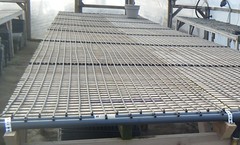
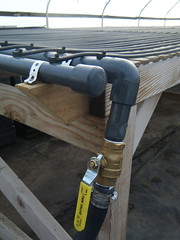
Spring is nearly upon us, and as you long for your first share to arrive you can rest at ease knowing we are already busy preparing for your shares out at the farm. Before many of your crops set their young roots in the fields, they take-in their first rays of light in our greenhouse. At Sauvie Island Organics we have one 20ft x 100ft heated greenhouse that we use for all our vegetables starts that we transplant out to the fields in the spring. Up until this winter the watering system for the greenhouse was completely manual, meaning someone had to water everything by hand. For 2010 we decided to take the leap and install an over-head watering system. The new system (pictured above) includes uniform misting nozzles that are attached to the top of the greenhouse and run along the length of the greenhouse tables. You can turn on one or all of the tables for watering with just the turn of a switch, and even set and automatic timer to turn the watering system on and off. With this new system we hope to save several hours a week from what used to be the long process of watering the greenhouse. In addition to the watering system, SIO also expanded the capacity of our greenhouse heat tables. Some plants prefer the soil temperature to be a little warmer than what it might be naturally in the spring and fall, and so in order to create those soil conditions we use a hydro-thermal tubing system on the tables. The new heat tables also include a valve controls (pictured below) so that certain tables can be isolated for heat or no heat.

Wolf Sighting!

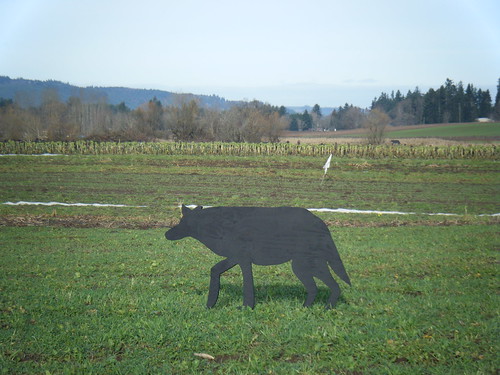
Sauvie Island is home to the nearly 12,000 acres of preserved land know as the Sauvie Island Wildlife Area. This network of wilderness area provides habitat for deer, beavers, foxes, and large populations of migratory birds. While Sauvie Island Organics values its close and harmonious relationship with the wildlife in the area, from time to time we still have to take precautions to protect the fields and your crops from damage. As seen above, a silhouette of a wolf cut from plywood and painted black is one method SIO uses to keep large flocks of migratory geese from settling and eating all our winter cover crops from our fields. Thanks to the smart thinking of Field Assistant Brian Wood, SIO tested the wolves last season, and since placing them out we haven’t seen many geese land in the fields to graze. We also use flags (pictured below), metallic mylar ribbon, and other distraction methods to deter wildlife from settling in our fields.

Shares Still Available for 2010!–Sign-up Now

Tell your friends, tell your neighbors, its not to late to share in the harvest for 2010! As we are busy planning and preparing we want to remind you that sign-up for the 2010 season is open and we still have space available at all of our pick-up sites. Signing up is quick and easy! Just complete the Community Farm Agreement and submit on-line, then send in your $100 deposit to reserve your slot for the coming season.

Categories : Blogroll, CSA Newsletter, Farm News & Updates, Uncategorized

CSA News: Week 30- December 8 to December 14

Posted by sio@dmin on
 December 8, 2009

This Week’s Share

  • Carrots
  • Collard Greens
  • Garlic
  • Leeks
  • Onions
  • Potatoes, Sangre
  • Winter Squash, Assorted Varieties

Share Notes

  • Collard Greens/Kale: All shares will be receiving a cooking green this week Due to the sustained cold temperatures and variable thawing conditions in the fields some shares will be receiving collard greens and others may be receiving kale.
  • Leeks/Onions: The photo above shows 4 leeks and 2 onions, but due to the sustained cold temperatures and limited harvesting conditions shares this week will be receiving 2 leeks and 4 onions.
  • Potatoes: You may notice that your potatoes are unwashed this week, and that is because the sustained below freezing temperatures have limited our ability to wash produce without it coating with ice afterward. Simply scrub them clean under running water and use as usual.
  • Winter Squash: This week in your share you will receive 2-3 assorted winter squash. The varieties we will be distributing are Acorn, Butternut, Delicata, and Hubbard.

Recipes

Collard Greens/Kale Recipe

Citrus Collards with Raisins
From Recipes from America’s Small Farms by Joanne Lamb Hayes and Lori Stein

1 large bunch collard greens/kale
coarse sea salt
1/2 tablespoon olive oil
1 garlic clove, minced
1/3 cup raisins
2 medium oranges

Remove the stems from the collards/kale and discard. Stack four or five leaves on top of one another. Roll the leaves into a tight cylinder. Slice, crosswise, cutting the leave into thin strips. Rinse the leaves in cold water and drain in a colander. In a large pot over high heat, bring 3 quarts of water to a boil and add 3 teaspoons salt. Add the collards and cook, uncovered, 10 minutes. Removes, drain, and plunge into a bowl of ice water to stop the cooking and set the color of the greens. Drain. In a medium sauté pan, over medium heat, warm the oil. Add the garlic and sauté for 1 minute. Add the collards, raisins, and a pinch of salt. Saute for 3 minutes, stirring frequently. Section the oranges, reserving the juice. Add the oranges and juice and cook for an additional 30 seconds. Do not overcook  (collards should be bright green).

Potato Recipes

Blue Cheese Smashed Potatoes
From Food to Live By by Myra Goodman

2 pounds potatoes, washed (peeling is optional) and cut into 1/2-inch chunks
4 cloves garlic, peeled
1/4 cup whole or low-fat milk
2 tablespoons (1/4 stick) unsalted butter
3 to 4 ounces crumbled blue cheese (about 1 cup), at room temperature
Salt and freshly ground pepper, to taste

Place the potatoes, garlic, and 5 cups of water in a large saucepan and bring to a boil over high heat. Reduce the heat to  medium-low and let the potatoes simmer, covered, until tender about 15 minutes. Meanwhile, heat the milk and butter in a small saucepan over low heat. Keep warm. Drain the potatoes and garlic in a colander, then transfer them to a large bowl. Using a potato masher or large fork, coarsely mash the potatoes and garlic. Add the warm milk and butter mixture and the blue cheese and mash to combine.

Mashed Potatoes with Carrots and Leeks
From www.epicurious.com

Note: This recipe was inspired by stoemp, a Belgian dish of mashed potatoes with vegetables.

1 leek (white and pale green parts only), coarsely chopped
2 pounds potatoes, washed and cut into 2-inch pieces
2 carrots, cut into 1/2-inch chunks
1/2 stick (1/4 cup) unsalted butter
3/4 cup whole milk
3/4 teaspoon salt
1/4 teaspoon black pepper

Wash chopped leek well in a bowl of cold water, then lift out and drain well. Peel potatoes (if desired) and cut into 2-inch pieces. Cover with cold water in a 3- to 4-quart saucepan. Bring to a boil, then reduce heat and simmer, uncovered, until potatoes are tender, about 18 minutes. Drain and return to saucepan. While potatoes are simmering, cook carrots in a 1- to 1 1/2-quart saucepan of boiling salted water until just tender, 5 to 6 minutes, then drain. Cook leek in butter in a 10-inch skillet over moderately low heat, stirring occasionally, until very tender, about 6 minutes. Add milk, salt, and pepper and simmer, stirring, 2 minutes. Add leek mixture to potatoes and coarsely mash with a potato masher, then stir in carrots. Makes 4 servings.

Winter Squash Recipes

Roasted Butternut Squash and Caramelized Onion Tart
From Gourmet, November 1998

1- 11-inch Pastry dough (recipe below, or could use pre-made dough)
Pie weights or raw rice for weighting shell
1 small (or 1/2 of a large) butternut squash (about 1 pound)
1 1/2 teaspoons olive oil, plus about 2 teaspoons for brushing squash (optional, can just roast with some water in the pan)
2-3 onions, thinly sliced
1 1/2 tablespoons unsalted butter
1 whole large egg
1/2 large egg yolk (1/2 tablespoon)
1/3 cup heavy cream
1 cup grated Italian Fontina cheese (about 3 ounces)
1/2 cup freshly grated Parmesan (about 2 ounce)
1/2 cup crumbled mild soft goat cheese (about 2 ounce)
1 1/2 teaspoons minced fresh herbs such as rosemary, thyme, and marjoram leaves
1/2 teaspoon salt
freshly ground black pepper
1/3 cup fine fresh bread crumbs

On a lightly floured surface roll out dough into a 12-inch round (about 1/8 inch thick). Fit dough into an 11-inch tart pan with a removable fluted rim. Freeze shell 15 minutes.

Preheat oven to 375°F. Line shell with foil and fill with pie weights or raw rice. Bake shell in middle of oven until edge is pale golden, about 20 minutes. Carefully remove foil and weights or rice and bake shell 10 minutes more, or until bottom is golden. Leave oven on. Cool shell in pan on a rack.

Halve squash and scoop out seeds. Lightly brush each cut side with about 1 teaspoon oil and on a baking sheet roast squash, cut sides down, in middle of oven 40 minutes, or until soft. While squash is roasting, thinly slice onions and in a heavy skillet cook in 1/2 tablespoon butter and remaining 1 1/2 teaspoons oil over moderate heat, stirring occasionally, until soft and golden brown, about 20 minutes. Cool squash and scoop out flesh. In a food processor purée squash. Add whole egg, egg yolk, and cream and blend well. Transfer mixture to a large bowl and stir in cheeses, herbs, onion, salt, and pepper to taste. Pour filling into shell, smoothing top.

In a small skillet melt remaining tablespoon butter and stir in bread crumbs until combined well. Sprinkle breadcrumb mixture evenly over filling. Bake tart in middle of oven 40 minutes, or until filling is set. Cool tart in pan on rack 10 minutes and carefully remove rim. Serves 6 to 8.

Pastry Dough
From www.simplyrecipes.com

Note: This recipe makes enough for a double pastry crust, so you will only need to use one of the two disks of dough right away. You can save the other disk in the fridge for up to 2 days or in the freezer for much longer (weeks to months).

2 1/2 cups all purpose flour
1 1/2 teaspoon salt
1 Tablespoons sugar
3/4 cup (a stick and a half) unsalted butter, chilled, cut into 1/4 inch cubes
1/2 cup of all-vegetable shortening (8 Tbsp)
6-8 Tablespoons ice water

Combine flour, salt, and sugar in a food processor and pulse to mix. Add the butter and pulse 4 times. Add shortening in tablespoon sized chunks, and pulse 4 more times. The mixture should resemble coarse cornmeal, with butter bits no bigger than peas. Sprinkle 6 tablespoons of ice water over flour mixture. Pulse a couple times. If you pinch some of the crumbly dough and it holds together, it’s ready. If the dough doesn’t hold together, keep adding water, a tablespoon at a time, pulsing once after each addition, until the mixture just begins to clump together.

Remove dough from machine and place in a mound on a clean surface. Divide the dough into 2 balls and flatten each into 4 inch wide disks. Do not over-knead the dough! Dust the disks lightly with flour, wrap each in plastic, and refrigerate for at least an hour, or up to 2 days before rolling out.

After the dough has chilled in the refrigerator for an hour, you can take it out to roll. If it is too stiff, you may need to let it sit for 5-10 minutes at room temperature before rolling. Sprinkle a little flour on a flat, clean work surface and on top of the disk of dough you intend to roll out. Using a rolling pin, apply light pressure while rolling outwards from the center of the dough. Every once in a while you may need to gently lift under the dough to make sure it is not sticking. Roll to desired thickness and size. Makes 1 double 9 or 10-inch pie crust.

Easy Sautéed Winter Squash Recipe
From www.recipetips.com

Note: Remember that roasted squash seeds make a nutritious and tasty snack. Just wash and scatter on a baking sheet to dry. Sprinkle with olive oil salt and pepper (or any other preferred spices) and pop in a 400°F oven for 10 minutes, or place in the toaster oven on medium-dark setting. They are done with just crisp and golden.

1 winter squash, about 2 lbs, preferably smooth skinned (butternut, delicata, etc)
2 tablespoons butter
1 tablespoon brown sugar, or more, to taste (optional; omit if squash is very sweet)
Salt and pepper, to taste

Cut squash in half, lengthwise, and remove seeds and stringy pulp. Then cut crosswise into large chunks. (The chunks are easier to peel than a whole squash.) Peel and cut squash meat into 1/2-inch cubes. Over medium heat, melt butter in a large skillet. When hot, add squash cubes in a single layer and cook without stirring for about 5 minutes, to brown the bottom sides. Stir to turn cubes and cook another 5 minutes. Sprinkle on brown sugar, if using, stir to mix well, and cook 5 minutes or until squash is tender. Add salt and pepper to taste. Serve warm.

Categories : Blogroll, CSA Newsletter, Farm News & Updates, Recipe

CSA News: Week 29- December 1 to December 7

Posted by sio@dmin on
 November 25, 2009

This Week Share

  • Cabbage
  • Carrots
  • Garlic
  • Kale
  • Onions, storage
  • Parsnips
  • Winter Squash, Hubbard

Share Notes

  • Winter Squash: Some of you may be starting to accumulate a surplus of winter squash, and with that in mind we want to remind you of the suggested order of eating based on length of storage time. Its best to start by eating any pumpkins and acorn squash first, followed by any  delicata, butternut, or hubbard.

Sign-up for 2010

Just one more week left in the 2009 CSA Season. For those of you already longing for fresh spring greens, crisp radishes, and pungent garlic scapes you can sign up for your share of the 2010 season now. Complete and submit the Community Farm Agreement at http://sauvieislandorganics.com/join.php and send in your $100 deposit to secure your spot.

Make sure to sign-up and send your $100 deposit by January 1 to guarantee the $875 share price. We can’ wait to see you next season!

Recipes

Whole Roasted Chicken with Root Vegetables
From Francesca Benedetti (CSA Coordinator)

Note: This is one of my favorite things to do because you get a delicious main dish and a side dish all in one. Add a fresh cabbage slaw, kale or green salad and your set. The vegetables you can roast in the pan with the chicken can be interchanged freely. I love using beets, leeks, or celeriac as well, so if you have any of those still around try it out.

1 (3½ -5 pound) whole chicken, gizzards removed (can save to make stock)
2 lemons, cut into quarter
2-4 tablespoons butter
2-4 sprigs of fresh rosemary
salt and pepper to taste
1 onion, peeled, cut in half, and cut into quarters
2-3 carrots, cut into 1-inch rounds
2-3 parsnips, cut into 1-inch rounds
2-3 medium potatoes (5-6 small), cut into quarters or eighths
1 cup chicken broth

Preheat oven to 350˚F. Rinse and clean chicken and pat dry. Prepare chicken for roasting by sliding slices of butter and sprigs of rosemary under skin. Salt and pepper all of chicken, and stuff 2-3 lemons slices inside the chicken. Choose a pan for  roasting (I like to use a deep roasting dish or a roasting pan that has a rack layer and shallow drip pan is rests on putting the veggies under the roasting chicken in the drip pan. Depending on which way you choose to roast you will either place the chicken in the deep roasting pan and spread the chopped vegetables and lemon slices in the pan around the chicken or you will place the vegetables in the bottom drip pan, place the rack layer on top and place the chicken on top of that. Which ever method you choose make sure salt, pepper, and drizzle olive oil over the vegetables and baste with chicken broth at the beginning and every 20 minutes or so while its roasting. Roast at 350˚F for at least and hour, longer if it’s larger chicken. Turn up the oven to 400˚F for the last 15-25 minutes of roasting, basting at least once during that time. Remove the roasting pan from the oven when chicken is cooked through (I check internal temperature with a meat thermometer). Let chicken and vegetables rest for at least 10 minutes before cutting and serving.

Cabbage Recipe

Curried Cabbage
From Vegetable Love by Barbara Kafka

1 tablespoon vegetable oil
1½ teaspoons curry powder
1 cup onion, thinly sliced
4 cups shredded green cabbage
1½ teaspoons fresh lemon or lime juice
2 tablespoons regular or nonfat yogurt

Heat the oil in a 10-inch to 11-inch skillet over medium heat. Add the curry powder. Cook for 30 seconds, just until fragrant. Add the onion. Cook until translucent. Add the cabbage. Cook, stirring occasionally, until wilted and soft to the bite. Remove the heat. Stir in the lemon juice and yogurt until the cabbage is coated. Serve hot. Serves 4 as a side dish.

Kale Recipe

Sauteed Kale
Recipe submitted by Member Brandy Benedict (from Gourmet, November 2003)

8 cups kale, cut into 1-inch-wide strips (tough stems and center ribs discarded)
2 tablespoons olive oil
1 small red onion, halved lengthwise and thinly sliced crosswise
1 garlic clove, minced
Pinch of dried hot red pepper flakes
1 tablespoon red-wine or balsamic vinegar, or to taste
1/4 teaspoon salt

Cook kale in a 6-quart pot of boiling salted water, uncovered, stirring occasionally, until just tender, about 10 minutes, then drain in a colander. Heat oil in a 12-inch heavy skillet over moderately high heat until hot but not smoking, then sauté onion, stirring occasionally, until softened, 6 to 8 minutes. Add garlic and red pepper flakes and sauté, stirring, until garlic is fragrant, about 1 minute. Reduce heat to moderate, then add kale and cook, stirring occasionally, until heated through. Remove from heat and stir in vinegar and salt. Sautéed kale keeps 3 days chilled in an airtight container.

Parsnips Recipe

Maple Glazed Parsnips and Carrots
Adapted from Simply in Season by Mary Beth Lind and Cathleen Hockman-Wert

Note: You can use this same recipe using all parnips or all carrots, but its fun to use them together

1 cup parsnips, peeled and cut into ½-inch rounds
1 cup carrots, peeled and cut into ½-inch rounds
½ teaspoon butter, melted
2 tablespoons walnuts, chopped and toasted

Preheat oven to 400˚F. Spray a baking pan with oil. Place the parsnips and carrot rounds in a single layer on a pan and spray lightly with oil. Sprinkle with salt. Bake until soft, 30 minutes. Combine maple syrup and butter and pour over the cooked parsnips Top with walnuts and serve.

Winter Squash Recipe

Hubbard Squash Risotto
From Vegetable Love by Barbara Kafka

1½ pounds Hubbard squash (or 1¼ pounds butternut squash), peeled, seeds and fibers removed
1 tablespoon unsalted butter
1 tablespoon olive oil
2 cups Arborio or other risotto rice
½ cup chopped onion
1 clove garlic, smashed, peeled and chopped
1 cup dry vermouth
4½ to 5 cups beef stock or beef broth
1½ tablespoons kosher salt, plus more to taste
Freshly grated nutmeg to taste
½ cup chopped fresh parsley (optional)
Freshly ground black pepper to taste
Freshly grated Parmesan cheese for serving

Grate enough of the squash (about ¾ pound) to get 3 cups. Cut the remaining squash into ¼-inch cubes. Melt the butter with oil in a large shallow pan. Add the rice. Cook over medium-high heat, stirring continuously, for 3 minutes, or until rice turns white and loses translucence. Add the onion and garlic. Reduce the heat slightly and cook for 1 minute. Add the grated squash. Stirring continuously, turning up the rice from the bottom, cook for 5 minutes. Add the vermouth. Reduce heat to medium and cook until the vermouth is absorbed. Increase heat to medium-high and add ½-cup stock. Cook, stirring well, until the rice has absorbed most of the stock. Add another ½-cup stock and repeat the process, making sure the stock is mostly absorbed before each addition. Continue until the rice has cooked about 15 minutes and absorbed 4 cups stock. Add the salt and nutmeg then parsley, if using. . Add the squash cubes and ½ cup more stock, or 1 cup stock for looser risotto. Cook, stirring, for 10 minutes, until creamy with a slight chew. Season with pepper, and if necessary, salt. Serve with Parmesan on top. Makes 6½ cups.

Categories : Blogroll, CSA Newsletter, Farm News & Updates, Recipe

CSA New: Week 28 – November 23 to November 25

Posted by sio@dmin on
 November 23, 2009

This Week’s Share

  • Brussels Sprouts
  • Carrots
  • Celeriac
  • Garlic
  • Kale
  • Onions, Copra
  • Pie Pumpkins, Baby Bear
  • Potatoes
  • Shallots

Share Notes

  • Brussels Sprouts: This week in your share you will receive your sprouts on the stalk. As we continue to struggle with aphids in the field, you may notice some stalks show residual damage. For preparing them first pop them off the stalk, then slice off the base of each sprout in order to easily peel off and remove the outer layers of damaged and dirty leaves.
  • Celeriac: This season we learned our celeriac crop was impacted by a soil born fungus that causes the flesh of the bulb to have some discoloration or hollowing in the center. Much of the celeriac is still edible and tasty, and that is why we decided to distribute it despite its imperfections. You can cut around any affected areas and discard them.
  • Kale: This week in your share you will receive a beautiful bunch of Rainbow Lacinato kale. This particular variety was developed by local seed developer Frank Morton of Wild Garden Seed.

Thanksgiving Thoughts

We would like to remind you of the changes to CSA pick-ups for this week.

At the Farm: Tuesday, November 24-shares ready for pick-up by 4:30pm
SE Elliot: Tuesday, November 24- 5:30-7:00pm
Friendly House: Tuesday, November 24- 4:30-6:30pm
EcoTrust Building: Wednesday, November 25- delivered by 1pm
Metro Building: Wednesday, November 25- delivered by 2pm
Portland State Office Building: Wednesday, November 25- delivered by 2pm
Providence Medical Center: Wednesday, November 25- delivered by 2pm
NW Pump: Tuesday, November 24- delivered by 3:00pm

Warm Wishes this Thanksgiving

As you get together with friends and family this holiday and give thanks for the bounty that the harvest season has to provide we at Sauvie Island Organics want to give you a BIG THANK YOU for supporting community agriculture. We have just two more weeks of the season together. To sign up for the 2010 season you can go to http://www.sauvieislandorganics.com/join.php, fill out the community farm agreement, pay the deposit and reserve your share of the harvest.

Recipes

Brussels Sprouts Recipes

Brussels Sprouts with Chestnuts and Sage
From Eating Well in Season by Jesse Price

2 pounds Brussels sprouts, trimmed and halved
1 tablespoon butter
1 tablespoon extra-virgin olive oil
3 tablespoons chicken broth or water
3/4 cup coarsely chopped cooked chestnuts (about 4oz.)
2 teaspoons chopped fresh sage
1/2 teaspoon salt
Freshly ground pepper to taste

Bring a large saucepan of water to a boil. Add Brussels sprouts and cook until bright green and just tender, 6 to 8 minutes. Drain well. Melt butter with oil and broth (or water) in a large skillet over medium heat. Add Brussels sprouts, chestnuts and sage and cook, stirring often, until heated through, 2 to 4 minutes. Season with salt and pepper. Serve warm or at room temperature.

Sweet and Sour Glazed Brussels Sprouts
Recipe submitted by CSA Member Jessica Roberts (from Cook’s Country)

4 tablespoons unsalted butter
1 1/2 tablespoons light brown sugar
2 pounds Brussels sprouts, trimmed and halved through core if large
12 small shallots, halved lengthwise
1 tablespoon cider vinegar

Adjust oven rack to middle position and heat oven to 400˚F degrees. Melt butter and sugar together in microwave. Toss Brussels sprouts, shallots, butter mixture, vinegar, 3/4 teaspoon salt, and 1/2 teaspoon pepper in large bowl. Scatter on rimmed baking sheet and roast until golden brown, about 30 minutes, shaking pan every 10 minutes to redistribute vegetables. Serves 8

Kale Recipe

Sage and Kale Cornbread Dressing (Stuffing)
From Jackie Benedetti (CSA Coordinator Francesca’s Aunt)

5 cups coarse crumbled cornbread (See recipe below for Black Pepper Cornbread (below)
7 tablespoons butter
3 large celery stalks, chopped
2 medium onions, chopped
5 large kale leaves, center spine removed, slivered (about 6 cups)
3 tablespoons chopped fresh sage or 1 tablespoon dried, crumbled
1/4 teaspoon salt
1/2 teaspoon pepper
4 cups 1/2 inch cubes white bread
1/4 cup chicken stock or canned low-salt broth
1 egg, beaten to blend

Crumble cornbread coarsely onto large cookie sheet. Let stand uncovered at room temp overnight to dry. Melt butter in heavy large skillet over medium heat. Add celery and onion and cook until tender, stirring frequently, about 12 min. Add kale and cook until kale wilts, about 5 min. Transfer mixture to large bowl. Mix in sage, salt and pepper. (can be prepared 1 day ahead. Cover and refrigerate.) Add cornbread crumbs and bread cubes to vegetables. Mix stock with egg in small bowl. Stir into dressing. You can stuff into the turkey and/or cook in a ovenproof dish and bake at 350°F for 45 minutes to and hour. Makes about 11 cups.

Black Pepper Cornbread (enough for 5 cups as called for above)

3/4 cup flour
3/4 cup yellow cornmeal
1 1/2 tablespoons sugar
1 Tbs baking powder
1/2 tsp salt
1/2 tsp pepper
3/4 cup milk
1 egg
2 Tbs butter, melted

Preheat oven to 400. Butter an 8-inch square baking pan. Mix together first 6 ingredients in large bowl. Mix milk with egg and butter, and pour over dry ingredients, stir until just moistened; do not over mix. Spoon batter into pan, bake until light brown, about 15 min.

Pie Pumpkin Recipes

Homemade Pumpkin Pie

Don’t just use those Baby Bear pumpkins as a Thanksgiving table centerpiece (although their beauty merits that honor). Put them to good and tasty use in a homemade pumpkin pie. For this recipe I am including a link to a page I found last year when making my first pumpkin pie from scratch. The directions are very clear and even have a photograph to accompany each step. The pie is delicious! A crust recipe is included below in case you don’t have your own. Click on the link below and scroll down to view the step-by-step recipe http://www.pumpkinpatchesandmore.org/pumpkinpie.php

Homemade Pie Crust
Adapted from the Joy of Cooking

Note: This is a very basic pie crust recipe, and with some trial and error can be perfected to your own tastes. I prefer to use a blend of vegetable shortening and butter, but I encourage you to figure out what works for you. Joy of Cooking also suggests using lard, which I have yet to experiment with, but have been told makes the best flaky pie crust. This recipe yields two 9-inch pie crusts.

2 1/2 cups all-purpose flour
1 teaspoon white sugar or 1 tablespoon powdered sugar
1 teaspoon salt
1 cup solid vegetable shortening (or 1/2 cup solid vegetable shortening and 1 stick cold unsalted butter)
1/3 cups plus 1 tablespoon ice water (must be ice water, its important!)

Premix the dry ingredients in medium to large bowl. Add the vegetable shortening and/or butter and cut into flour with a pastry cutter or two knives until pea-sized and cornmeal size chunks are achieved. Add ice water in tablespoon size portions, cutting in to dry ingredients until small balls form. If the balls stick together when pressed its ready, if not add an additional 1 to 2 tablespoons ice water. Refrigerate at least 30 minutes and for up to 2 days, or crust dough can be wrapped airtight and frozen for up to 6 months. After dough has chilled separate into two equal size balls. Flour a large flat surface and roll out each ball into a round large enough to cover a pie pan. Continue to fill with pumpkin pie filling (or other pie filling) as directed.

Fresh Pumpkin Bread
From www.dianasdesserts.com

1/2 cup (1 stick/4 oz.) butter
2 cups all-purpose flour
1 tsp. baking soda
1/2 tsp. salt
1/2 tsp. ground cinnamon
1/2 tsp. ground nutmeg
1 cup honey
1 cup fresh puréed pumpkin* (See Preparing Fresh Pumpkin below)
2 eggs
2 tsp. lemon juice
1 tsp. vanilla extract

Preheat oven to 350 degrees F/180 degrees C. Grease a 9 x 5-inch loaf pan and line bottom of pan with parchment paper. Grease parchment paper also. Whisk together flour, baking soda, salt, ground cinnamon and ground nutmeg in a medium bowl to blend. Using an electric mixer, beat butter in large bowl until fluffy. Gradually add honey, beating until blended. Beat in eggs, 1 at a time. Beat in pumpkin, lemon juice and vanilla. Stir in dry ingredients. Transfer mixture to prepared loaf pan. Bake in preheated oven for 75 to 90 minutes, or until a toothpick inserted in center of bread comes out clean. Cool bread in pan for 10 minutes, then remove from pan and let cool completely on a wire rack. (Can be made 2 days ahead. Wrap and store at room temperature.)

Preparing Fresh Pumpkin Puree

Remove the pulp and seed from your pumpkin(s). You can steam your pumpkin in the microwave or bake it in the oven, but it needs to be cooked until tender and soft. After its cooked let it cool until you can handle and then scrape out the pumpkin flesh into a bowl. Using processor, blender, immersion/stick blender, or even a potato masher and a fork make a puree with the pumpkin. Transfer the puree to a large sieve or colander lined with over lapping coffee filters and set over a large bowl. Cover the surface of the purée with plastic wrap and let the purée drain, chilled, overnight. Use 1 cup drained puréed pumpkin in above recipe.

Categories : Blogroll, CSA Newsletter, Farm News & Updates, Recipe

CSA News: Week 27-November 17 to November 23

Posted by sio@dmin on
 November 17, 2009

This Week’s Share

  • Cabbage
  • Carrots
  • Garlic
  • Kale, Lacinato
  • Onions, Copra
  • Parsnips
  • Sweet Peppers
  • Winter Squash, Delicata

Share Notes:

  • Cabbage: This week in your share you will receive a beautiful Savoy cabbage. You may notice some minor frost damage to the outer leaves, so be sure to remove those before using.
  • Sweet Peppers: Surprise! One last week of peppers. They will be yellow to light orange in color and you can try leaving them on the counter for a couple days to color up.

Sign-up for Next Season

It’s hard to believe the end of the season is just around the corner, and with 3 more weeks left in the 2009 season it’s time to start planning for next year. To sign up for the 2010 season you can go to http://www.sauvieislandorganics.com/join.php, fill out the community farm agreement, pay the deposit and reserve your share of the harvest for next season. The rest of November is only open for current members to sign-up, and then beginning in December we open sign-up to new members. Be sure to sign-up and send your deposit by January 1, 2010 in order to guarantee the $875 share price.

Thanksgiving Week Delivery Information

We would like to remind you of the changes to all CSA pick-ups for the week of Thanksgiving.

At the Farm: Tuesday, November 24-shares ready for pick-up by 4:30pm

SE Ankeny: Tuesday, November 24- 5:00pm-7:00pm (No changes)

SE Elliot: Tuesday, November 24- 5:30-7:00pm

Friendly House: Tuesday, November 24- 4:30-6:30pm

EcoTrust Building: Wednesday, November 25- delivered by 1pm

Metro Building: Wednesday, November 25- delivered by 2pm

Portland State Office Building: Wednesday, November 25- delivered by 2pm

Providence Medical Center: Wednesday, November 25- delivered by 2pm

NW Pump: Tuesday, November 24- delivered by 3:00pm

PGP (SE 46th and Harrison): No changes

All Monday Pick-up Sites: No changes – In order for Monday site to receive the Thanksgiving Share prior to the holiday you will receive your Thanksgiving Share (Week 28) on Monday Nov. 23 and your Week 27 Share on Monday Nov. 30.

For those of you menu planning and making your shopping lists we are providing a preview of the share.

  • Brussels Sprouts (approximately 2 pounds)
  • Carrots (1 pound minimum)
  • Garlic (1 head)
  • Kale, Rainbow (1 bunch)
  • Onions, Copra (2)
  • Potatoes (4 pounds)
  • Pie Pumpkins, Baby Bear variety (2)
  • Shallots (4 minimum)

Recipes

Parsnip Recipes

Kale and Parsnips
From www.astray.com/recipes

1 cup onion, sliced
1 cup parsnips, halved & sliced
1 tablespoon corn oil
1 cup water
2 tablespoons ginger, minced
4 cups chopped kale, tough center ribs removed

Saute the onions and parsnips in oil for about 5 minutes, stirring occasionally to prevent burning. Add the water and ginger. Cover and simmer for 4 to 5 minutes. Add the kale and continue cooking 4 to 5 minutes longer. Stir occasionally but keep the saucepan covered otherwise. When kale is tender (but not overcooked) its ready to serve.

Parsnip Oven-Fries with Yogurt-Curry Dipping Sauce
From http://fooddownunder.com

1 pound parsnips
1 tablespoon vegetable oil
1 teaspoon ground cumin
1 teaspoon ground coriander
¼ teaspoon salt
¼ teaspoon pepper
½ cup low-fat plain yogurt
¼ teaspoon curry paste
1 small green onion, minced

Peel parsnips. Cut into 2 inch x 1/2-inch sticks. In bowl, toss together parsnips, oil, cumin, coriander, salt and pepper. Bake on greased baking sheet in 425˚ F oven, turning occasionally, for 30 to 40 minutes or until browned and tender. In small bowl, stir together yogurt, curry paste, and green onion. Serve sauce with parsnip fries.

Cabbage Recipe

Tangy (No Mayo) Cabbage Slaw
From Matt Uddenberg (CSA Coordinator Francesca’s close friend)

1/2 head cabbage, sliced thin
1 carrot, grated
1 tablespoon whole cardamom seed
1/2 teaspoon whole coriander seed1/2 teaspoon whole mustard seed
2 teaspoons red wine vinegar (rice wine or apple cider vinegar also work)
2 teaspoons fresh lemon juice (or a few drop of bottled)
1 teaspoon-1 tablespoon salad oil or olive oil (amount depends on your preference)
salt and fresh ground pepper to taste

Place the cabbage and carrot in a salad bowl. Using a mortar and pestle (or other method for grinding the seeds) grind the whole coriander and mustard seed together until it is a coarse texture (you don’t want to grind it down to fine) and add it to the bowl. Add the vinegar, lemon juice, oil. Toss and combine in the bowl until everything is evenly mixed and coated with spices and dressing. Salt and pepper to taste. It develops better flavor if you let it stand in the refrigerator for 15-30 minutes, but can be eaten right away. This is a great one to make the day before for a dinner or to take with lunch because it tastes even better the next day.

Winter Squash Recipe

Winter Squash and Sweet Pepper Soup
Adapted from the American Institute of Cancer Research

1 Tbsp. extra virgin olive oil
1 medium onion (or a leek from last week) chopped
2 sweet peppers, seeded and diced
4 cups diced winter squash (any of the kinds you may have will work great, even pumpkin)
Salt and freshly ground black pepper, to taste
1 tsp. chopped garlic
1 tsp. sweet Hungarian paprika
3 cups chicken or vegetable broth
1/4 cup orange juice
1/4 cup raw pumpkin or other winter squash seeds, crushed (for garnish)
1/8 tsp. Spanish paprika, smoked or dulce (sweet), optional, for garnish

Heat oil in medium Dutch oven or heavy, large saucepan over medium-high heat. Sauté onions (or leeks) until translucent, 4 minutes. Add bell pepper, squash and pinch of salt, stirring to coat with oil. Reduce heat, cover and cook vegetables gently to release juices, 10 minutes. Stir in garlic and paprika for 30 seconds, until fragrant. Add broth, increase heat and bring liquid to a boil. Reduce heat, cover and simmer soup until vegetables are soft, about 20 minutes. Uncover, and let soup cool for 10 minutes. Adjust seasoning to taste. Transfer soup to blender, cover and whirl soup to a velvety puree. Or, using an immersion blender, puree in the pot. Blend in orange juice and season to taste with salt and pepper. To serve, divide soup among four soup bowls. Place pumpkin seeds in a dry skillet over medium-high heat and cook, shaking and swirling the pan, until seeds are plump and mostly golden. Crush seeds and add to soup as garnish. If using, sprinkle Spanish paprika. Serve immediately.

Wild Things: Adventures of a Grassroots Environmentalist

by Donna Matrazzo

2009 Oregon Book Awards finalist

SIO member and one of the founders of the Sauvie Island Conservancy,
Donna Matrazzo weaves an entertaining and inspiring tale of growing up
in a Pennsylvania milltown devoid of nature, moving to Oregon and
falling in love with Sauvie Island, helping to save the island from development,
and getting roped into the dogged exploits of Portland’s greenspaces pioneers.

“The planet needs more friends like Donna Matrazzo-and
it needs more books like this one, which remind us that
we’re all quite capable of making big and useful change”
— Bill McKibben, author, The End of Nature

“Simply lovely.  A personal encounter with the world, a
woman’s eye, a fine prose voice.”
— Luis Alberto Urrea, author, The Hummingbird’s Daughter

Available at St. Johns Booksellers, Powells, Broadway Books, Kruger Farms, Cistus
Nursery, amazon.com. For signed copies, contact Donna at matrazzo@msn.com.
Check out her website at www.donnamatrazzo.com

Categories : Blogroll, CSA Newsletter, Farm News & Updates, Recipe

CSA News: Week 26-November 10 to November 16

Posted by sio@dmin on
 November 10, 2009

This Week’s Share

  • Brussels Sprouts
  • Celeriac
  • Collard Greens
  • Escarole
  • Garlic
  • Leeks
  • Potatoes, Sangre
  • Sweet Peppers
  • Winter Squash, Butternut

Share Notes

  • Brussels sprouts: Frost sweetened sprouts are in! This week in your share you will receive your sprouts on the stalk. For preparing them first pop them off the stalk, then slice off the base of each sprout in order to easily peel off and remove the outer layers of damaged and dirty leaves.
  • Celeriac: Also called celery root, celeriac is late fall crop that despite its gnarled appearance offers a fresh and crisp flavor chopped or grated in raw dishes and savory celery flavor to cooked dishes. While considerably less starchy than some of the other root vegetables, its great in soups and stews, as well as boiled and mashed or in gratins and other bakes dishes.
  • Sweet Peppers: It’s likely the last week for sweet peppers, and some of your peppers will be varying degrees of yellow, orange, and red. You can leave them on the counter for a couple days to color up or eat them as is. They all taste delicious, so enjoy the last of this season’s crop.

Recipes

Brussels Sprouts Recipe

Becker Brussels Sprouts
From The Joy of Cooking

12 Brussels sprouts, trimmed and sliced in half lengthwise
3 tablespoons butter (or half butter, half olive oil)
1-2 garlic cloves, crushed
Grate Parmesan cheese (optional)

In a medium skillet heat the butter/olive oil over medium-low heat. Add the garlic, stirring, until beginning to brown. Remove the garlic and discard. Place the sprouts cut side down in the garlic butter, cover, and cook over low heat until tender, 15 to 20 minutes. Arrange the sprouts on a warm platter and drizzle any remaining butter on top. Serve with grated Parmesan if desired.


Collard Green Recipe

Pasta with Hearty Greens and Beans
From The Passionate Vegetarian by Crescent Dragonwagon

8 oz. fettucine
1 bunch collard greens (or kale or chard), washed, any tough center ribs removed
1 tablespoon olive oil
1 can cannellini, navy or other white beans, rinsed and very well drained
3 cloves garlic, pressed
Salt and freshly ground pepper
1/2 lemon (optional)
Dried chilled (optional

Start the fettucine in vigorously boiling water. Heat the oil over medium-high heat in a skillet. Stir the greens in the oil for  2 minutes, cover, and let them steam for 2 to 3 minutes, until tender but not overdone. Place the beans, garlic, and a bit of salt and a lot of pepper in a bowl. Add the green and pasta when they are done and toss. Add a squeeze of lemon, if you like. You may also have dried chiles available for crushing over plates of pasta.

Leek Recipes

Potato, Leek & Celeriac Soup
From www.astray.com/recipes

1/4 cup butter
4 leeks, roots & tops removed
3 medium potatoes, scrubbed and cut into 1/2-inch slices
1 celeriac bulb, peeled and cut into 1-inch chunks
4 cups Chicken or vegetable stock
Thyme, basil and/or marjoram (preferably Fresh), to taste

Melt butter in stockpot. Slice leeks into 1/4-inch slices and add to stockpot. Saute for 5 minutes until golden. Add potatoes and celeriac and saute for 5 minutes. Cover and cook for 3 minutes. Stir in 1 cup stock, cover and continue to cook until potatoes are tender, about 25 minutes. Remove from heat. For a chunkier soup mash up cooked vegetables with a potato masher. For smoother soup pour vegetables and stock into a food processor or blender and puree or puree with a hand blender in the pot. Return soup to stockpot (if removed) and add remaining stock and herbs. Cover and simmer for 15 to 20 minutes.

Leek Tart
Adapted from The Joy of Cooking

For Tart:

1 9-inch pie crust (recipe below, or you can use pre-made)
1 egg yolk, beaten
2 tablespoons butter
4 leeks, white and tender green parts only, cut into 1/4-inch slices
1 medium onion, sliced
1/2 teaspoon salt
Black pepper to taste
2 eggs
1/2 cup heavy cream or half-and-half
1/4 teaspoon grated or ground nutmeg
Salt and pepper to taste

Prepare and a crust into a 9-inch quiche, tart, or pie pan. Brush the dough with beaten egg yolk. Refrigerate the brushed dough. Melt 2 tablespoons of butter in a medium skillet of medium heat and add the sliced leeks and onion, salt and pepper. Cover and cook, stirring occasionally and reducing the heat as the leeks cook, until they are very soft, about 30 minutes. Meanwhile preheat the oven to 400°F. In a medium bowl beat together the eggs, cream, nutmeg and salt and pepper until well combined. When leeks are done, add to the custard. Transfer to prepared pastry shell. Bake until the top is golden and the custard is set, 20 to 30 minutes. Let rest for 10 minutes.

For Crust:

1 1/4 cups all-purpose flour
1/2 teaspoon salt
1/3 cup chilled lard or vegetable shortening
2 tablespoon cold unsalted butter
3 tablespoons, plus 1 teaspoon ice water (very important that its ice cold)

Sift together the flour and salt. Add the lard/shortening and butter and cut into the flour until cornmeal to pea-sized chunks are formed. Sprinkle the dough with 3 tablespoons ice water. Blend the water gently into the dough until it just holds together. If necessary to hold the ingredients add another 1 teaspoon of water. You may need to wrap the dough in plastic wrap and place in freezer to chill for a few minutes before rolling it out.

Winter Squash Recipe

Butternut Squash Rounds with Dates and Pistachios
From Local Flavors by Deborah Madison

1  butternut squash
3 tablespoons olive oil
Sea salt and freshly ground black pepper
2 tablespoons unsalted butter
2 shallots (or 1 small onion), finely diced, about 1/3 cup
2 garlic cloves, minced
1/ 3 cup slivered almonds
1/3 cup peeled pistachios, preferably unsalted, slivered or chopped
1 tablespoon grated zest from 1 Meyer lemon or orange
6 dates, pitted and chopped
2 tablespoons finely chopped parsley
1 tablespoon chopped mint
1/4 teaspoon ground cinnamon
juice of 1 Meyer lemon or 1 Persian lemon

Preheat the oven to 400°F. Lightly butter a large baking dish. Peel the neck of the squash and slice into rounds about 1/3 inch thick. Heat the olive oil in a wide nonstick skillet. Add the squash in a single layer and cook over medium heat until golden, then turn and brown the other side, 8 to 10 minutes per side. When the pan becomes dry add 1/3 cup water. Cover the pan and steam the squash until tender when pierced with a knife, about 10 minutes. Check while it’s cooking and add more water as needed. Season with salt and pepper. Melt the butter in a medium skillet over medium-low heat. Add the shallots (or onion) and garlic and cook without browning, stirring occasionally, for 5 to 7 minutes. Ad the nuts, zest, dates, herbs, and cinnamon and raise the heat. Season with 1/2 teaspoon salt and some pepper. Cook, stirring frequently, for 2 minutes, then add lemon juice, cook for 1 minute more, and turn off heat. Arrange squash rounds in the baking dish and scatter the dates and nuts over them. Add 1/4 cup water and bake until heated through and the topping is barely crisped, about 15 minutes.

Categories : Blogroll, CSA Newsletter, Farm News & Updates, Recipe
« Previous Page
Next Page »

Recent Posts

  • CSA Week #22: October 31st & November 2nd
  • CSA Week #21: October 24th & 26th
  • CSA Week #20: October 17th & 19th
  • CSA Week #19: October 10th & 12th
  • CSA Week #18: October 3rd & 5th

Archives

Sauvie Island Organics | © 2026 All Rights Reserved
iThemes Builder by iThemes | Powered by WordPress | Site by LRP